

Hear from Our Customers
You’ve noticed the musty smell. Maybe some discoloration near the window frame or along the basement wall. Or maybe nothing visible at all—just allergies that won’t quit and a nagging feeling something’s off in your home.
Here’s what most people don’t realize: the mold you see is rarely the whole problem. In homes built during the 1950s—like most of Magnolia Hill—mold hides in wall cavities, under flooring, and behind insulation where moisture has been sitting for months or years. A professional mold testing company uses thermal imaging and moisture meters to map exactly where the problem is, how far it’s spread, and what species you’re dealing with.
That last part matters more than you think. Not all mold is black mold, but all mold needs moisture to grow. If you’re dealing with Stachybotrys (the actual black mold), Aspergillus, or Penicillium, you need to know. Each one behaves differently, spreads differently, and requires a different approach to remove safely.
Testing gives you the full picture before you spend a dime on removal. You’ll know if that stain is surface-level or if there’s a bigger issue feeding it. You’ll have lab results showing exactly what’s growing and at what concentration. And you’ll have a clear plan for what needs to happen next—no guessing, no unnecessary work, no inflated quotes based on fear.
We’ve been serving Bucks County homeowners for years, and we’re certified by the American Council for Accredited Certification. That means we follow strict Pennsylvania regulations and use equipment most homeowners will never see—moisture meters, thermal cameras, and lab-grade sampling tools.
Here’s what sets us apart: we offer independent mold testing separate from remediation. That matters because you deserve an honest assessment, not a sales pitch disguised as an inspection. We test, we document, we send samples to independent labs, and we give you a report that shows exactly what’s happening in your home.
Magnolia Hill homes were built in 1952. That’s over 70 years of settling, aging pipes, and weather exposure near the Delaware River. We know what to look for in older construction—hidden leaks, poor ventilation, and moisture patterns that don’t show up until you use the right tools. If there’s mold, we’ll find it. If there isn’t, we’ll tell you that too.
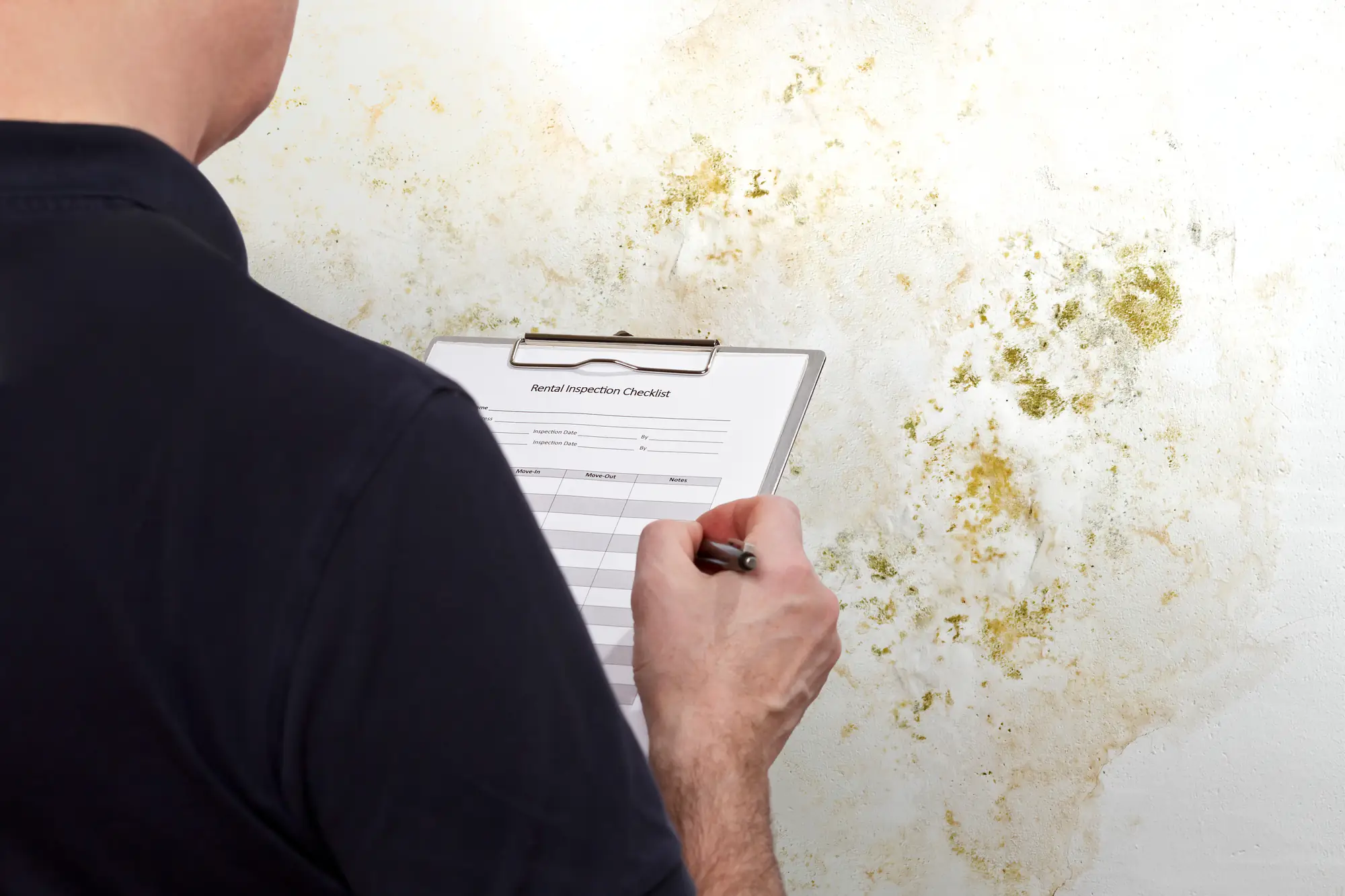
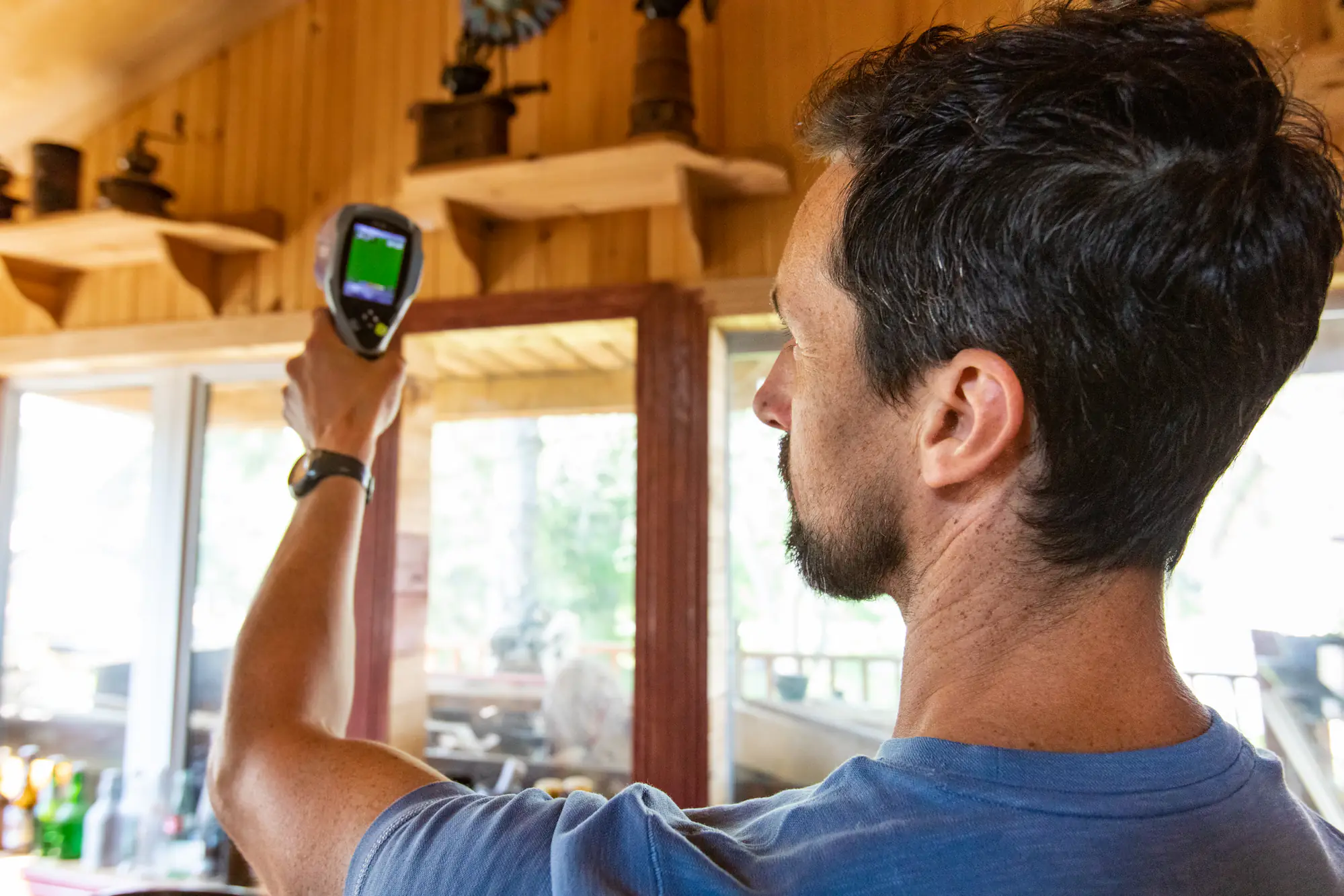
First, we walk through your property and talk through what you’ve noticed—smells, stains, health symptoms, water damage history. Then we start the inspection. We’re checking visible areas, but more importantly, we’re using thermal imaging to detect temperature differences that indicate moisture behind walls, ceilings, and floors.
Next, we take samples. Air samples measure mold spore concentration in the rooms you’re concerned about. Surface samples test visible growth or suspicious areas. If we find hidden moisture, we may take samples from inside wall cavities or under flooring. Every sample gets labeled, documented, and sent to an independent lab for analysis.
Within a few days, you’ll receive a detailed report. It shows what species of mold are present, their concentration levels, where they’re located, and whether the levels are elevated compared to outdoor air. If remediation is needed, the report includes a step-by-step protocol: what needs to be removed, what needs to be cleaned, and how to fix the moisture source so it doesn’t come back.
If you’re dealing with insurance, we document everything in a format that supports your claim. If you’re buying or selling a home, the report gives you leverage or peace of mind. Either way, you’ll know exactly what you’re dealing with before anyone starts tearing into your walls.
Ready to get started?
A real mold inspection isn’t a guy with a flashlight poking around your basement. It’s a certified process using professional-grade equipment that costs thousands of dollars and requires training to use correctly.
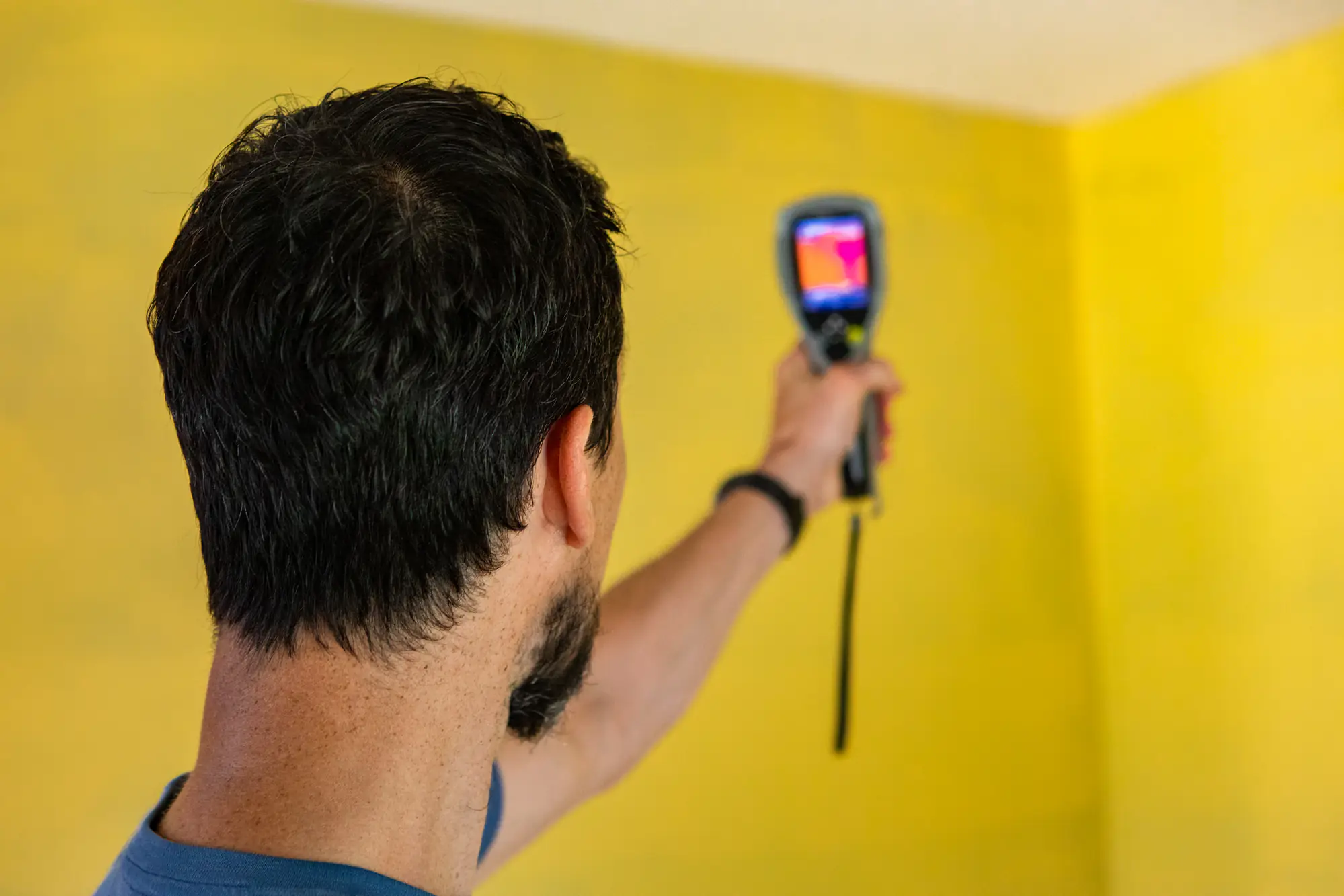
You get thermal imaging that maps moisture and temperature variations across your entire property. You get moisture meter readings that tell us if your walls, floors, or ceilings are holding water. You get air quality testing that measures spore counts in the rooms where you spend the most time. And you get surface sampling from any area that looks suspicious or tests positive for moisture.
In Magnolia Hill, we’re especially focused on the common trouble spots in 1950s-era homes: basements with aging foundations, crawl spaces with poor ventilation, attics with old insulation, and bathrooms where original plumbing is starting to fail. Humidity from the Delaware River doesn’t help. Neither do the heavy spring rains that Bucks County gets every year.
Once the lab processes your samples, we deliver a report that breaks down every finding in plain language. You’ll see exactly which rooms tested positive, what species were found, and whether the concentration is something to worry about. If remediation is needed, the report includes a protocol that any licensed contractor can follow. If it’s not needed, you’ll have documentation proving your home is clear.
Most residential mold testing runs between $300 and $600 depending on the size of your home and how many samples we need to take. A typical inspection for a single-family home in Magnolia Hill—usually around 1,200 to 1,800 square feet—falls in the $400 to $500 range.
That includes the on-site inspection, thermal imaging, moisture readings, air and surface samples, lab analysis, and a detailed report with remediation protocols if needed. If you have a larger home, multiple problem areas, or want testing in hard-to-reach spaces like crawl spaces or attics, the cost goes up slightly because it requires more time and more samples.
Some companies offer free inspections, but they’re almost always tied to remediation services. That creates a conflict of interest. We charge for testing because it’s an independent service—you’re paying for an honest assessment, not a sales pitch. If your insurance covers mold testing due to a covered event like a burst pipe, we’ll work directly with your adjuster and provide all the documentation they need.
Most inspections take between one and three hours depending on the size of your home and how many areas we’re testing. If we’re inspecting a small ranch-style home with one or two areas of concern, we can usually finish in about an hour.
If you’ve got a larger property, multiple levels, or a history of water damage in several rooms, it takes longer. We’re not rushing through this. We’re using thermal cameras to scan walls and ceilings, taking moisture readings in every suspect area, collecting air samples from multiple rooms, and documenting everything as we go.
After the inspection, samples go to the lab. You’ll have results within three to five business days. The report takes another day or two to finalize because we’re writing up findings, interpreting lab data, and creating a remediation protocol if needed. Most clients have a full report in hand within a week of the inspection.
You can buy a DIY mold test kit at the hardware store for $10 to $40, but it won’t tell you much. Those kits usually involve setting out a petri dish or swabbing a surface, then mailing it to a lab. The problem is they don’t measure concentration, they don’t compare indoor levels to outdoor levels, and they don’t tell you where the mold is actually growing.
Professional mold testing uses calibrated air pumps that pull a specific volume of air through a sample cassette. That gives you a spore count per cubic meter, which we compare to outdoor air and industry standards. It’s the only way to know if your indoor air quality is actually elevated or if you’re just dealing with normal background levels that exist in every home.
More importantly, DIY kits don’t find hidden mold. We use thermal imaging and moisture meters to detect problems inside walls, under floors, and in other areas you can’t see. In older homes like the ones in Magnolia Hill, that’s where the real issues usually are. If you’re serious about knowing what’s in your home, professional testing is the only reliable option.
A mold inspection is the visual assessment—walking through your home, looking for visible growth, checking for moisture, using thermal imaging and moisture meters to find hidden problems. Mold testing is the lab work—taking air and surface samples, sending them to an independent lab, and getting back data on what species are present and at what levels.
Most people need both. The inspection tells us where to look and what’s worth testing. The testing tells us exactly what we’re dealing with and whether it’s a health concern. Some inspectors will do a visual-only inspection and skip the lab work, but that’s not enough if you’re dealing with hidden mold or if you need documentation for insurance or real estate purposes.
We include both in our service because they work together. The inspection finds the problem areas. The testing confirms what’s growing and how bad it is. The report ties it all together with a clear action plan. If you’re buying a home, selling a home, filing an insurance claim, or just trying to figure out why your family’s been sick, you need the full picture.
It depends on what caused the mold. If the mold is the result of a covered event—like a burst pipe, roof leak, or appliance failure—most homeowners insurance policies will cover testing and remediation. If the mold is due to long-term neglect, poor maintenance, or chronic humidity issues, they usually won’t.
Pennsylvania insurance policies vary, but the key is documenting everything. We provide detailed reports that show what caused the mold, where it’s located, and what needs to be done to fix it. That documentation is critical when you’re filing a claim. We also work directly with adjusters and can walk them through our findings if needed.
If you’re not sure whether your policy covers mold, check your declarations page or call your agent before scheduling testing. Either way, we’ll give you a report that supports your claim if you have coverage. And if you don’t, you’ll still have the information you need to move forward and protect your home.
If you’ve had water damage, ongoing leaks, or high humidity in your home, testing makes sense. Black mold—Stachybotrys chartarum—grows on materials with high cellulose content like drywall, wood, and insulation, especially when they stay wet for extended periods. But here’s the thing: you can’t identify black mold by looking at it. Plenty of molds are black in color, but they’re not Stachybotrys.
The only way to know for sure is lab testing. We take samples from the areas of concern, send them to an independent lab, and get back a species-level identification. If it’s Stachybotrys, the report will say so. If it’s a different species, you’ll know that too. Either way, you’ll have the information you need to make decisions about remediation.
Symptoms like persistent coughing, sneezing, congestion, or worsening asthma—especially in kids—are worth investigating. So are musty smells that won’t go away, visible discoloration on walls or ceilings, or any history of flooding or leaks. In Magnolia Hill’s older homes, we see mold issues most often in basements, bathrooms, and attics where ventilation is poor and moisture builds up over time.
Other Services we provide in Magnolia Hill